projects
Projects at Nextdoor Summer '25
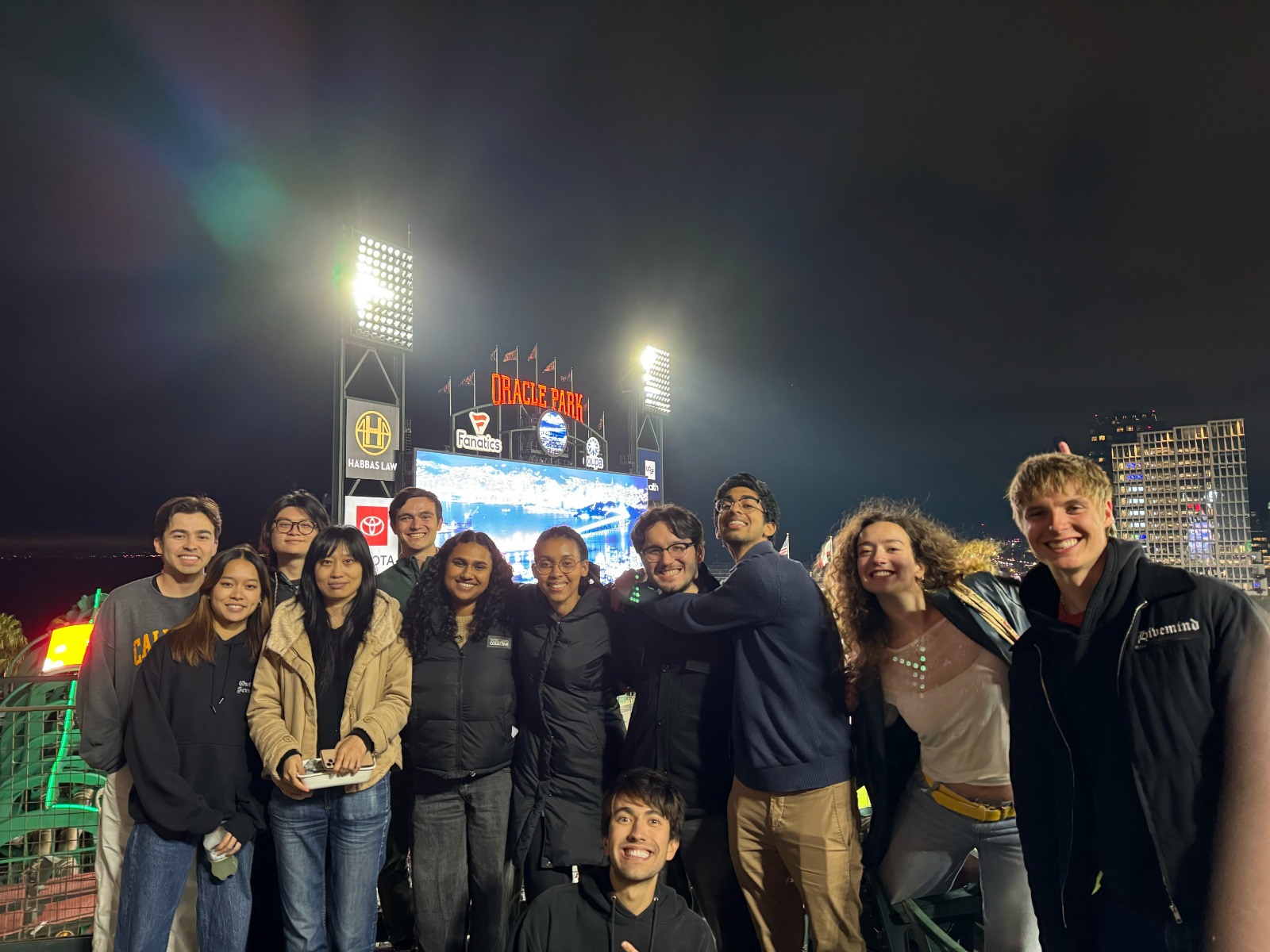
As a 2025 summer intern on Nextdoor’s Notifications team, I built large-scale personalization features that improved user engagement across millions of daily notifications. Highlights include boosting Local News email CTR by 14.8% through ranking improvements, launching personalized Trending Post emails to 11.6M sends, and creating a React + GraphQL simulator that cut debugging time by 97%.
CX Agent Portal Summer '24
During my 2024 summer internship at Ford, I redesigned the agent portal for the company’s customer service agents. The project involved creating an independent application with a user-friendly interface, incorporating feedback from call-center agents to ensure an optimal experience. I developed the application to operate without dependency on the existing content management system, which had a pending decommission date, ensuring long-term viability for Ford’s customer service operations. Additionally, the application was hosted on Google Cloud Platform (GCP), and we implemented a CI/CD pipeline using Tekton to simplify development and deployment processes.
Jargon Garden Summer '24
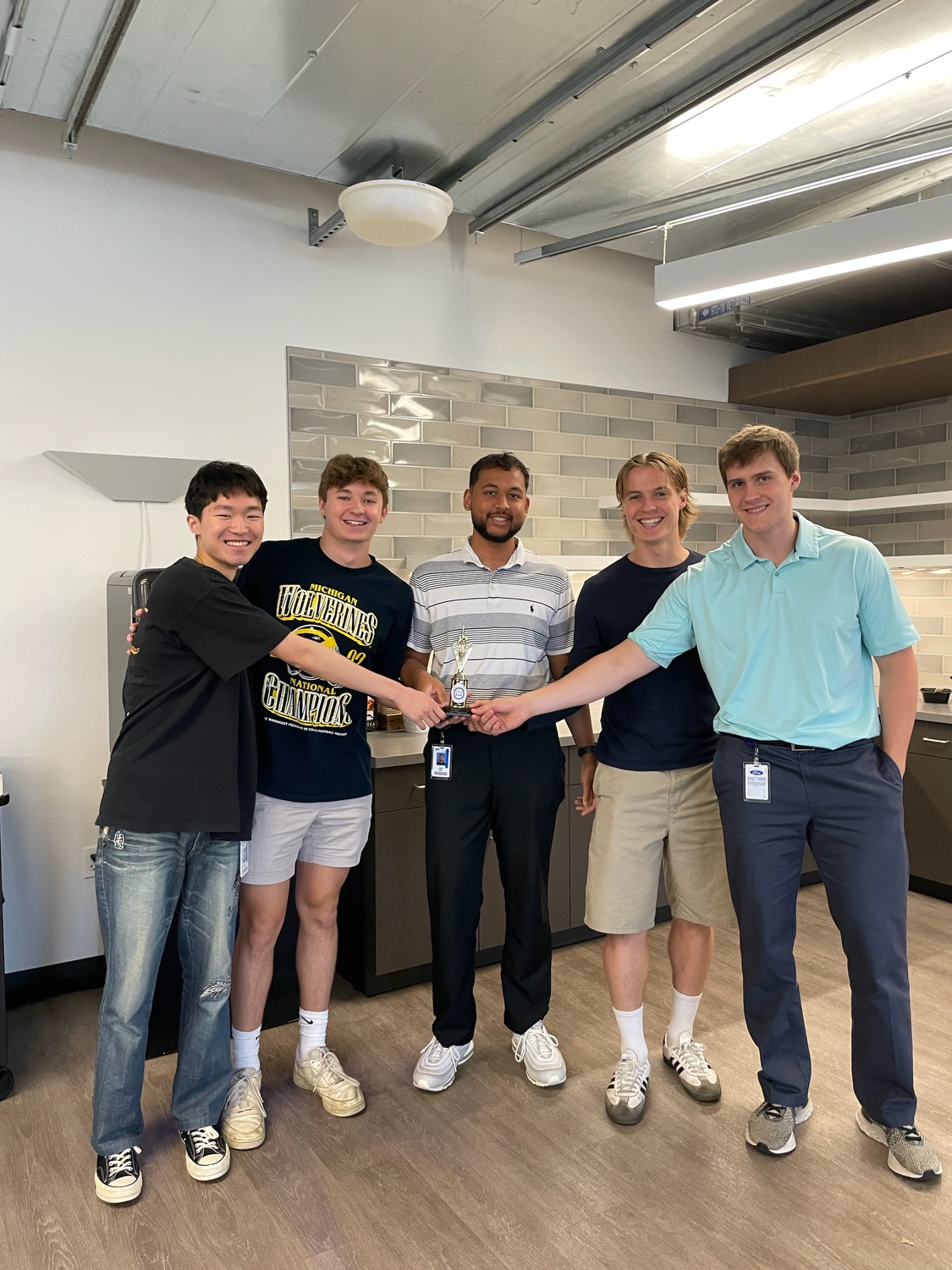
During a team hackathon at my Ford internship, our team created ‘Jargon Garden,’ an light-hearted app that transforms phrases from the user into corporate buzzword-filled gobbledygook. Built with React and TypeScript, and powered by Ford’s LLM which we connected to through the in-house API, the project was as much about having fun as it was about developing our technical skills. Our playful approach ended up paying off: we won the popular vote for best hackathon project, even though we were the only team made up entirely of interns.
RNN-LM with Self-Attention Spring '25
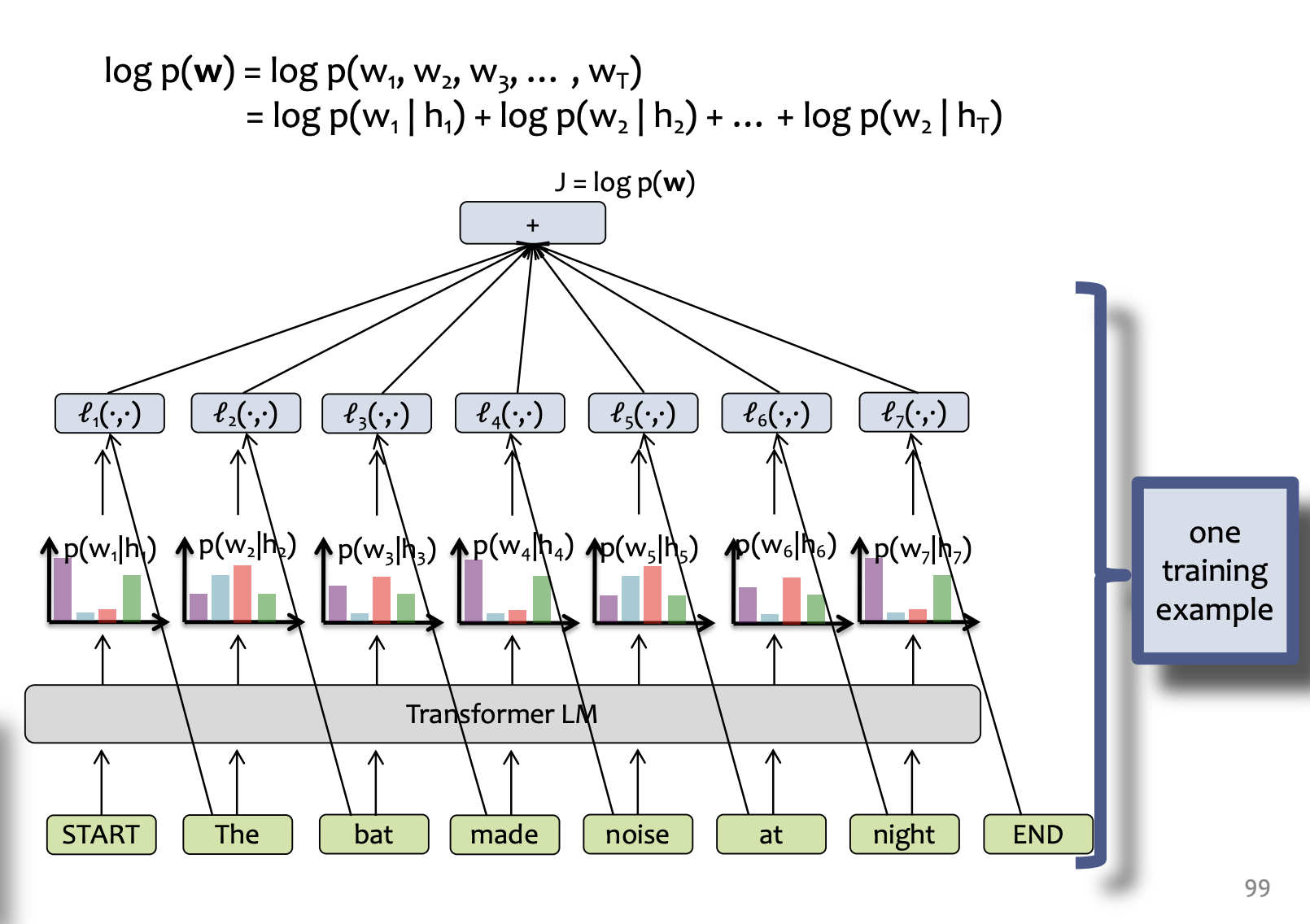
To bolster my foundational knowledge of machine learning models and techniques, I built a recurrent neural network language model augmented with scaled dot-product self-attention. I implemented a custom RNNCell, attention mechanisms, and training loops in PyTorch to predict next-token probabilities on the TinyStories dataset. The model handles long-range dependencies by computing attention weights over all previous hidden states at each timestep. Due to CMU’s academic integrity policies, the code is in a private repository. If you’d like access, please email me and I can invite you to view the repo.
Gotham City Tracker Spring '24
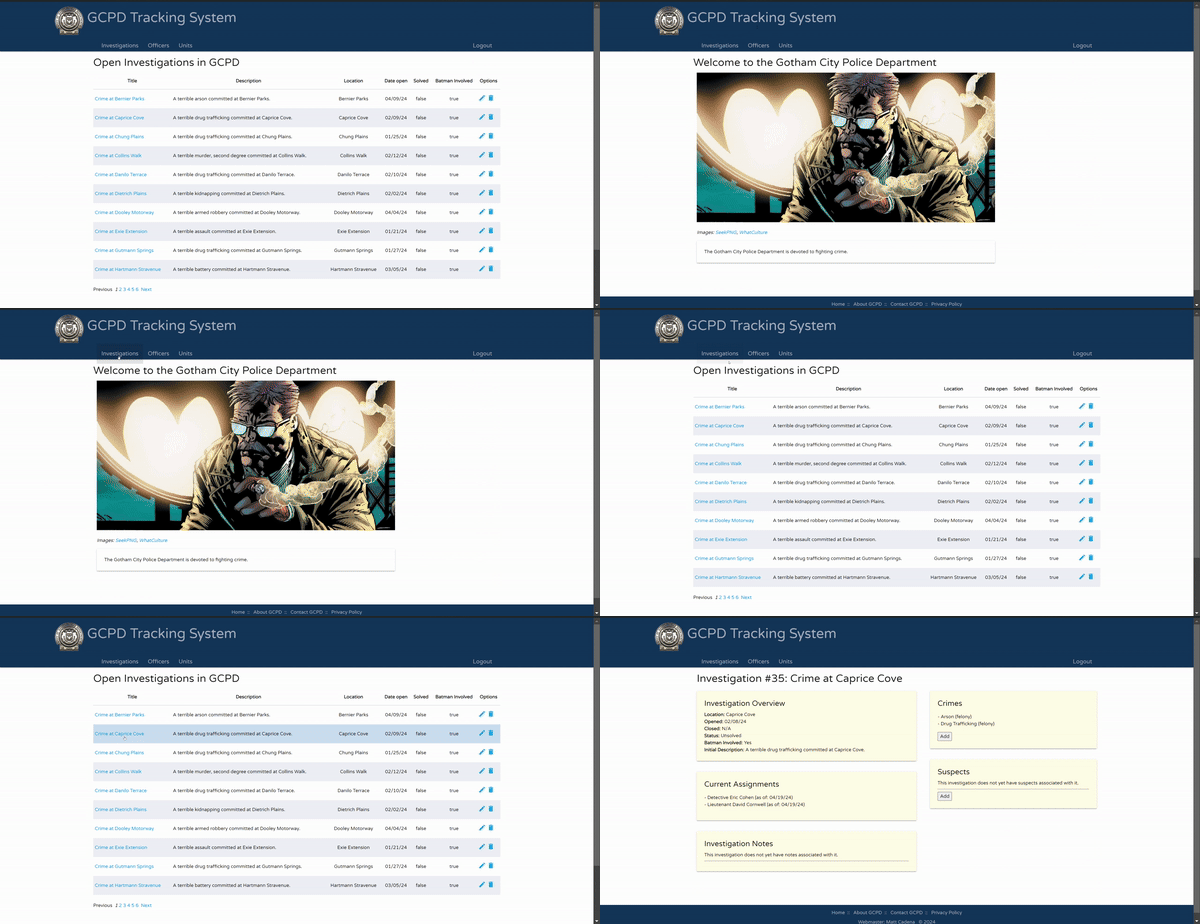
For the main project in 67-272: Application Design and Development, I built the Gotham City Department Tracker, a full-stack web app made with Ruby on Rails, React, and MySQL. Starting from a list of requirements, I took it through the whole process myself: writing user stories, designing the database, building an API, adding secure sign-in, and putting an interface on top. For what it’s worth, this project predates AI coding assistants; every line written by hand, the old-fashioned way :)
Dynamic Memory Allocator Fall '24
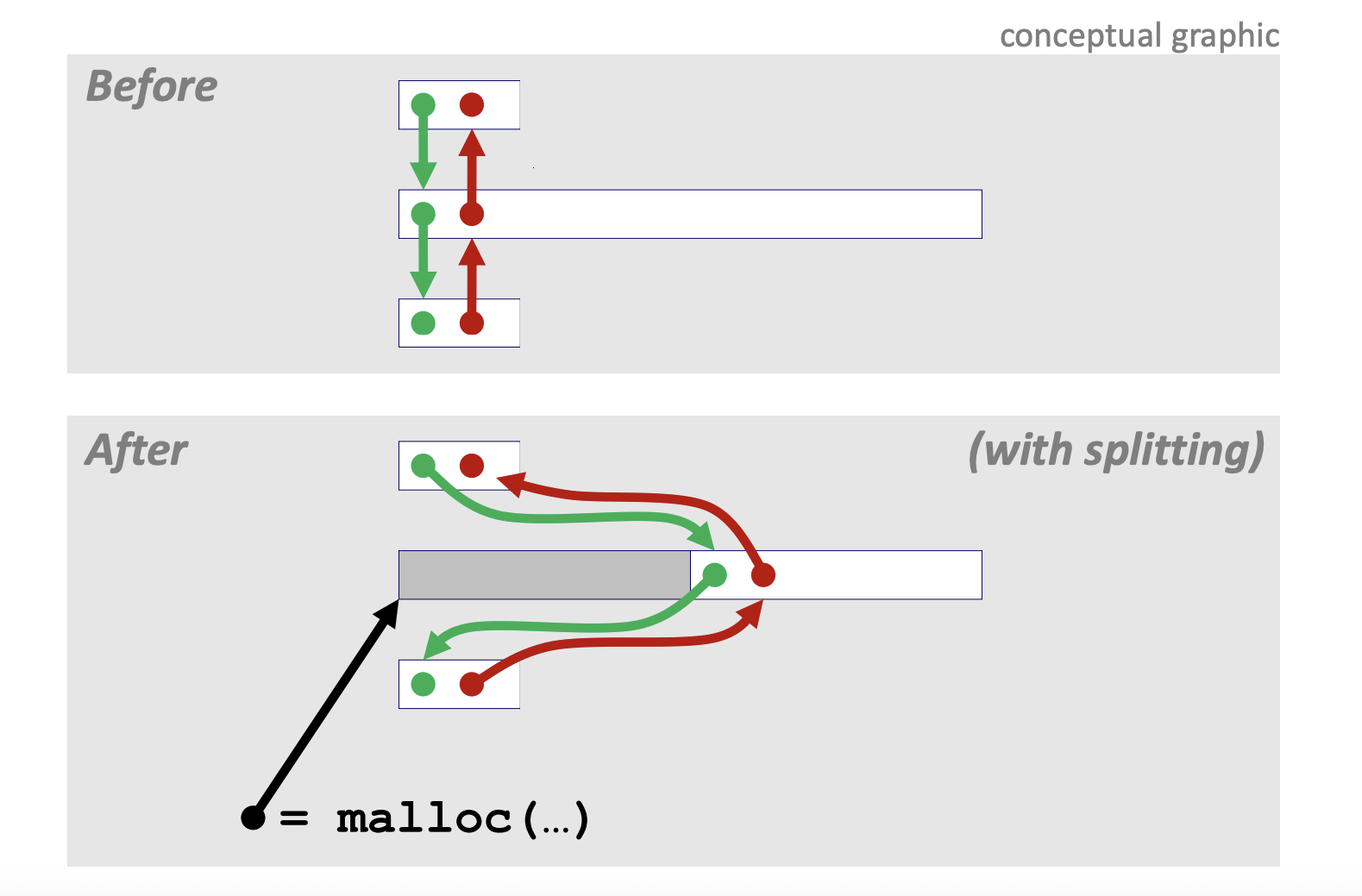
As a lower-level project, I implemented a custom 64-bit implicit free-list memory allocator with segregated free lists. The allocator maintains 16-byte alignment, coalesces free blocks, and uses size classes to minimize fragmentation and maximize throughput. Due to CMU’s academic integrity policies, the code is in a private repository. If you’d like access, please email me and I can invite you to view the repo. (Image credit: Bryant and O’Hallaron, Computer Systems: A Programmer’s Perspective, Third Edition)
Personal Website 2024-present
For this website, I built a text-first, typography-driven design with Astro and TypeScript. Every page is static HTML, generated at build time from markdown content and deployed to S3 through a GitHub Actions pipeline. A previous iteration of the site explored GSAP and Framer Motion animations; the current design trades flashiness for clarity, fast loads, and terse prose.